
PRP Therapy (Platelet-Rich Plasma)
Advanced regenerative treatment using the patient’s own plasma
Service provided by
All doctors


Dr. Charalampos Harris Zourelidis

Dr. Nona Ovsepian
Dr. Shake Pogosyan
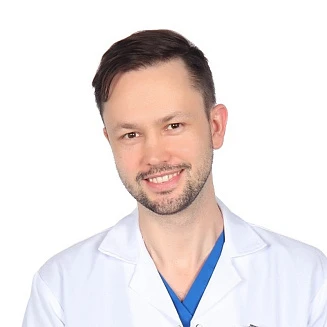
Dr. Igor Patrin
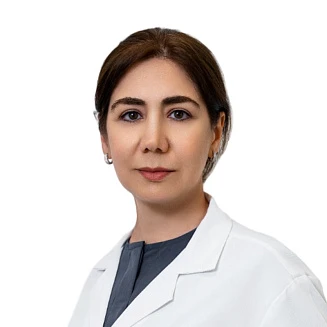
Dr. Eset Dzeygova
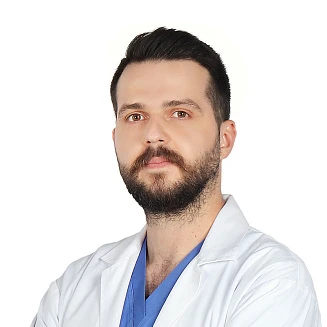

Dr. Wesam Al Ashkar
Next-Generation Effectiveness and Safety
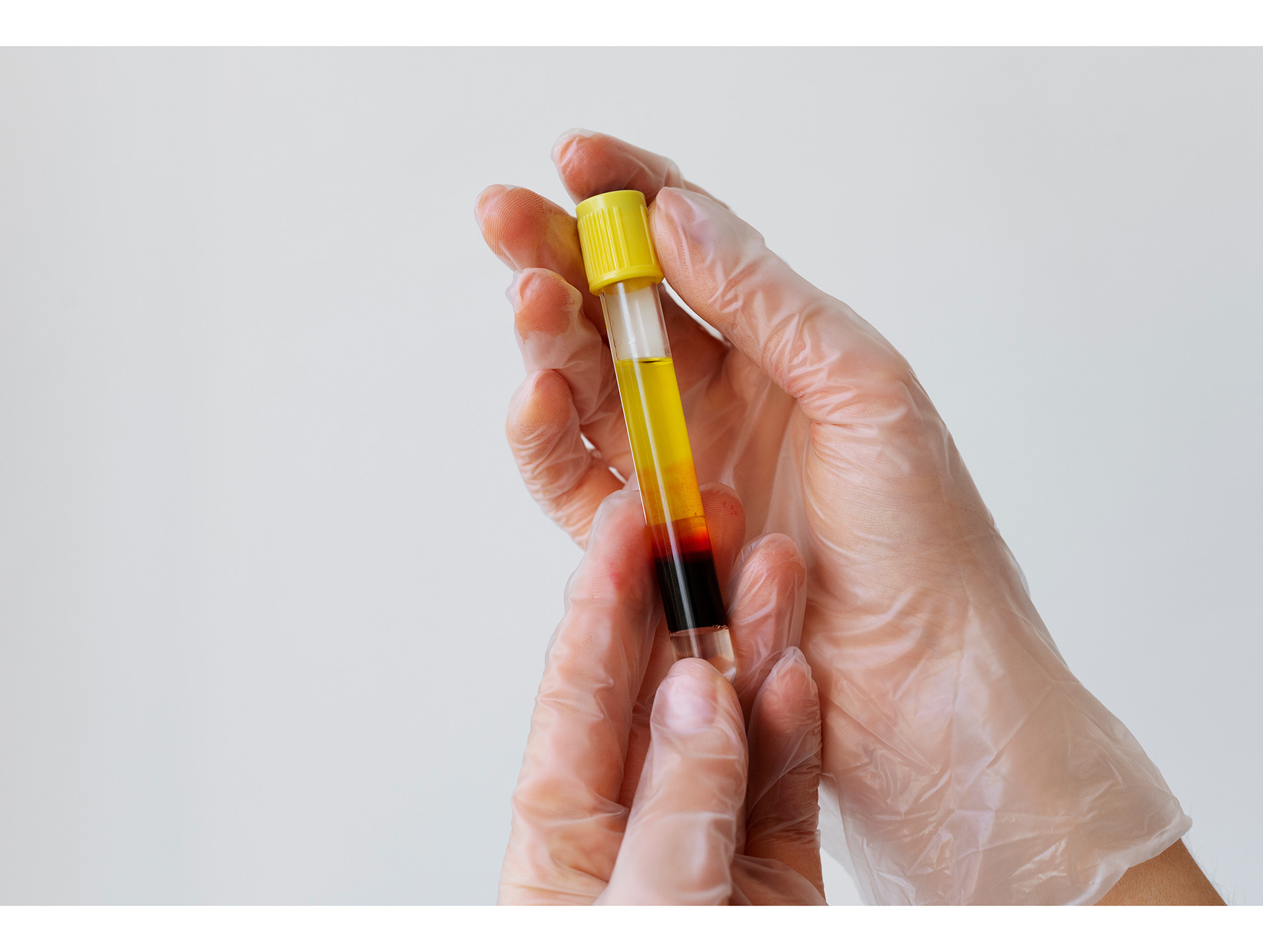
At Polyclinic.ae, we use next-generation PRP therapy with one of the most advanced systems — Maxxi PRP — which allows the extraction of plasma with the highest possible platelet concentration. This makes the treatment significantly more effective, delivering visible results after just a few sessions.
The PRP method is used in multiple fields of medicine at our clinic. In orthopedics, it helps treat joint pain, osteoarthritis, sports injuries, and chronic inflammation. In urology and andrology, PRP is used for the treatment of prostatitis and erectile dysfunction, including procedures such as the P-Shot. In gynecology, it supports postnatal recovery, helps manage urinary incontinence, and improves intimate health. In dermatology and cosmetology, PRP is used for facial rejuvenation, improving skin tone and texture, treating post-acne scars, while in trichology, it effectively treats hair loss and stimulates hair growth.
Thus, PRP therapy at Polyclinic.ae is a universal, safe, and natural method that restores health and enhances quality of life across various medical specialties.
When to Consider PRP Therapy
Advantages of PRP Therapy at Polyclinic.ae
Frequently Asked Questions
- What is PRP therapy?
-
PRP (Platelet-Rich Plasma) is a treatment that uses a patient’s own blood plasma enriched with platelets. It stimulates tissue regeneration, improves blood circulation, and accelerates healing processes.
- How is next-generation PRP different from standard PRP?
-
Advanced systems such as Maxxi PRP provide plasma with a much higher platelet concentration than traditional systems, making the therapy more effective and results more noticeable.
- In which areas of medicine is PRP used?
-
In orthopedics — for joint and ligament therapy; in urology and andrology — for prostatitis and erectile dysfunction (including P-Shot); in gynecology — for postnatal recovery, urinary incontinence, and intimate rejuvenation; in cosmetology — for skin rejuvenation and post-acne treatment; and in trichology — for hair loss prevention and stimulation of growth.
- Does PRP help with hair loss?
-
Yes. PRP nourishes hair follicles, strengthens roots, slows hair loss, and promotes new hair growth.
- Can PRP be used for the face and neck?
-
Yes. It improves skin tone and elasticity, reduces fine lines, enhances complexion, and helps reduce post-acne scars.
- Is the procedure safe?
-
Completely safe, as only your own plasma is used. There is no risk of allergic reactions or rejection.
- How many sessions are needed?
-
Typically, a course includes 3–4 sessions spaced a few weeks apart. The exact number depends on the treatment area and individual response.
- Is the procedure painful?
-
It is generally well-tolerated. Local anesthesia can be used if necessary. Mild discomfort may occur but usually subsides within 24 hours.
- Are there any contraindications?
-
Main contraindications include acute infections, oncological diseases, and severe blood clotting disorders. The doctor always performs a consultation and necessary tests before treatment.
- Can PRP be combined with other treatments?
-
Yes. In orthopedics, it can be combined with physiotherapy; in cosmetology, with peels and injectables; and in urology or gynecology, with other advanced therapies.
- What is the recovery period?
-
Virtually none. Patients can return to normal daily activities immediately after the procedure.